Catch the Bird — an educational endless runner

featuring AI avatars

Context

We created this project during a hackathon.

Our challenge was to turn existing AI avatars into an activity that was both educational and genuinely fun.

The hackathon called for:

• A tight deadline
• Fast decisions
• A strong concept and game mechanic over a large feature set

The challenge

Create a beginner-friendly learning activity that hooks players immediately without feeling like a separate lesson. The goal was to keep them moving: no pause to read instructions, no switch into “study mode”—just continuous play.

We chose an endless runner because it lets learning happen inside the action.

Early explorations

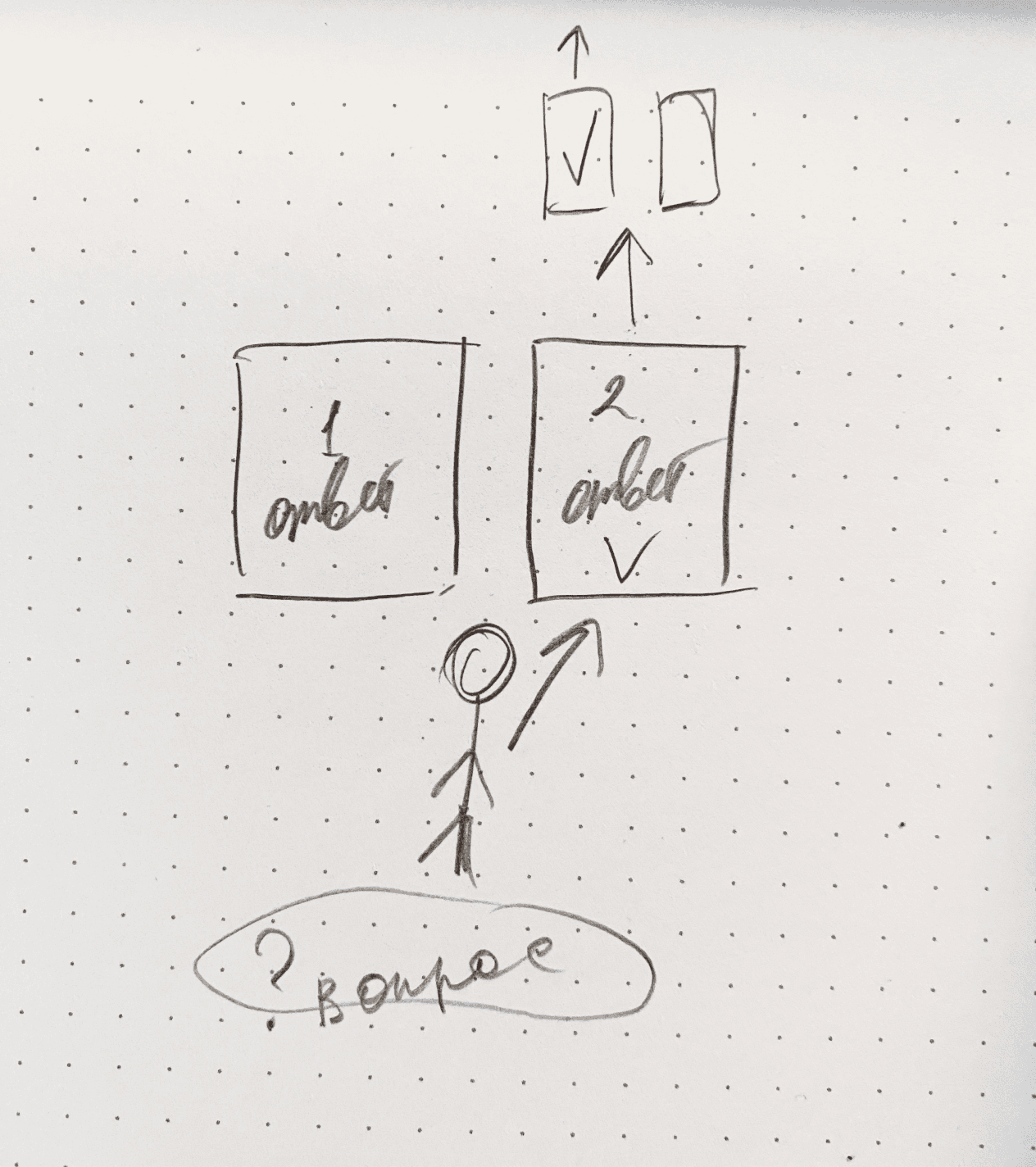
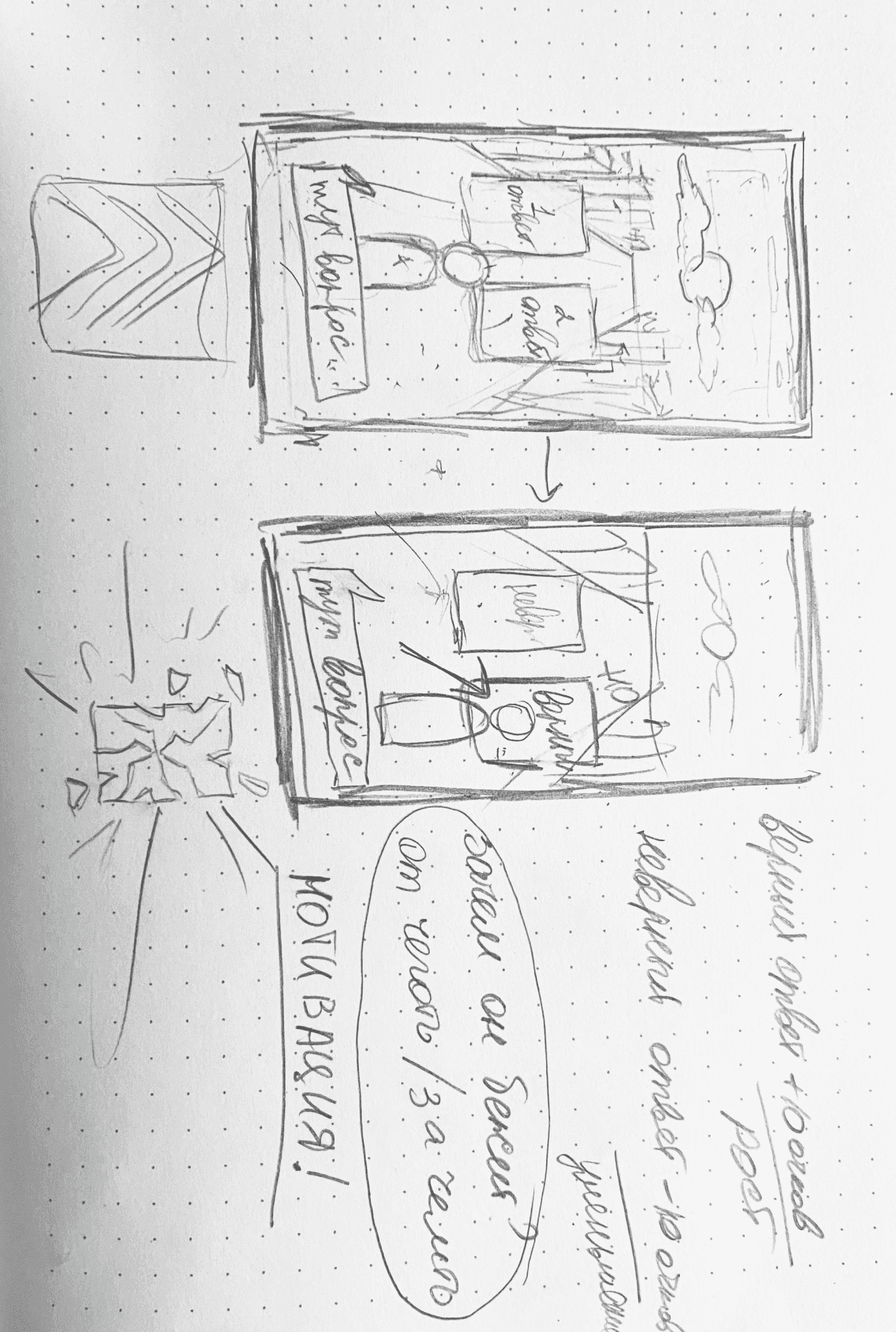
I started with a simple question: why would someone keep running without achievements or external rewards? The answer was the momentum itself—the thrill of a chase and the feeling of closing in on a goal.

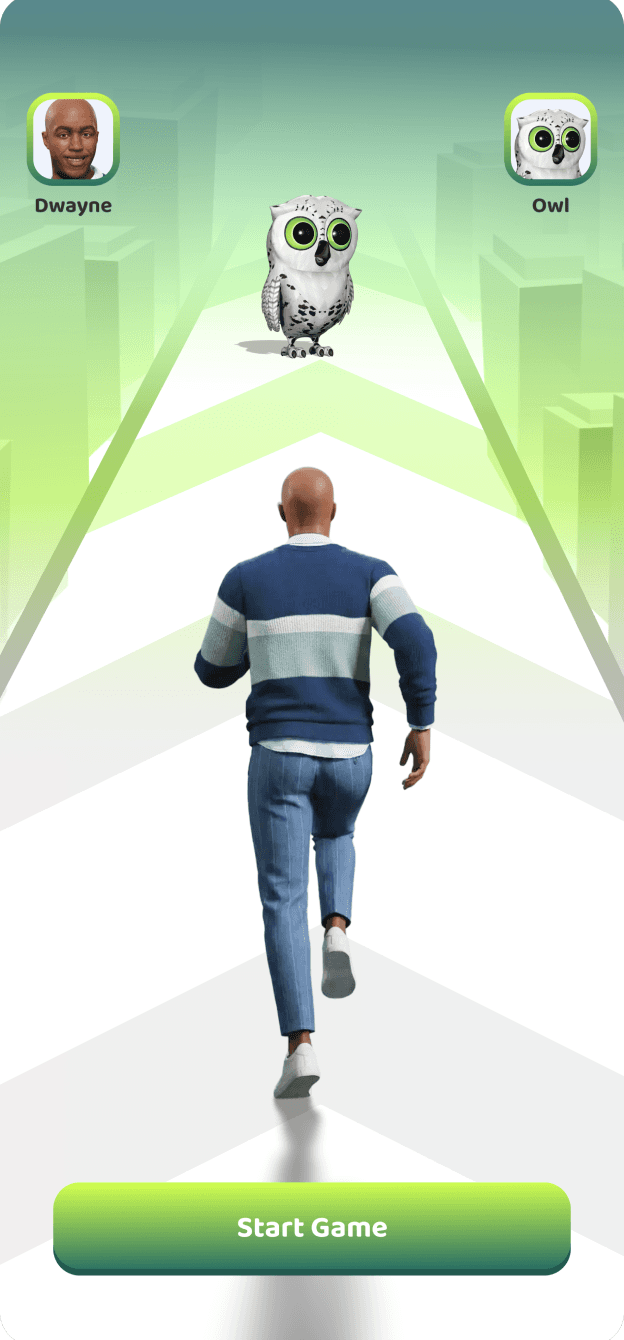
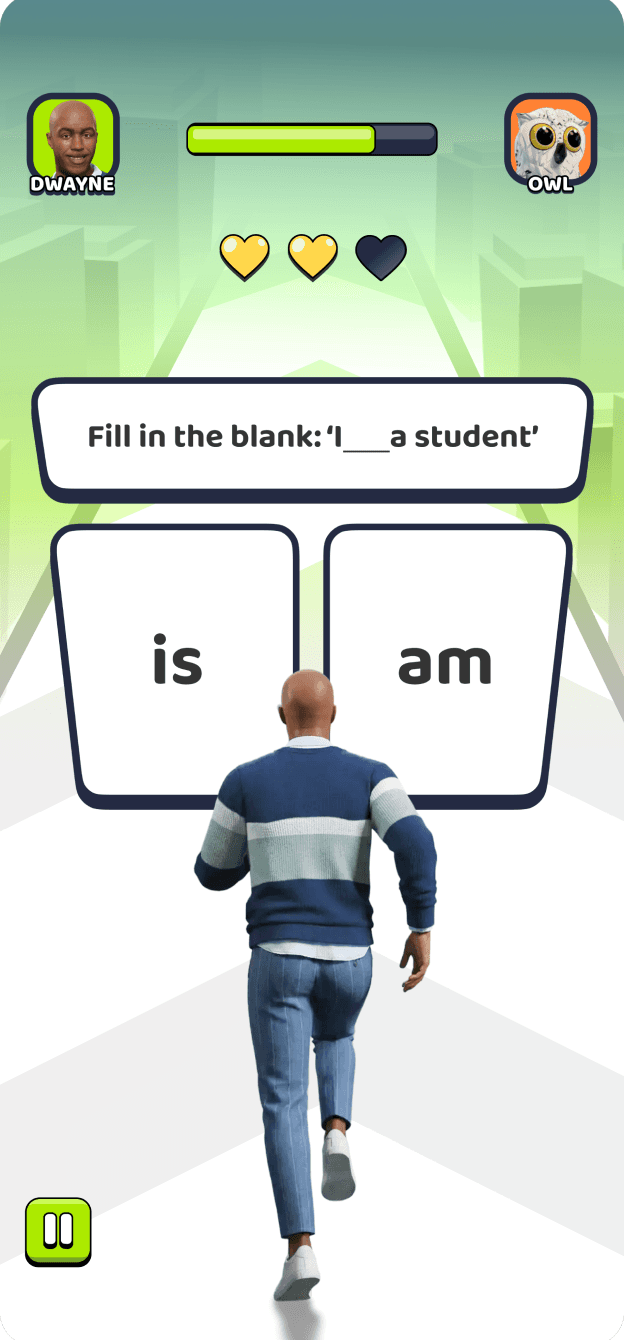
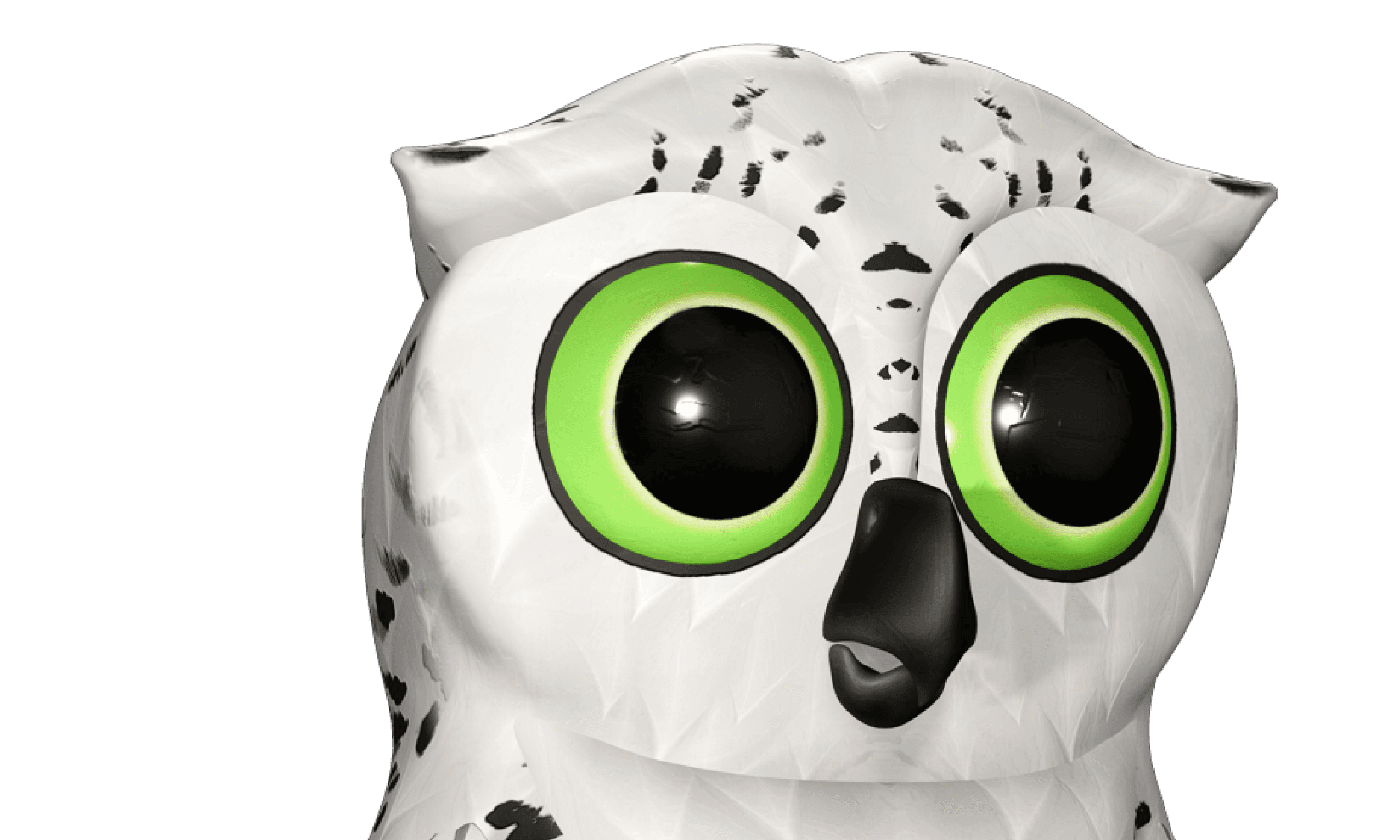
Correct answers make the character stronger and bring them closer to the owl; mistakes slow them down. The owl is a playful nod to edtech culture, taking the seriousness out of learning and making the finish memorable.
References & inspirations

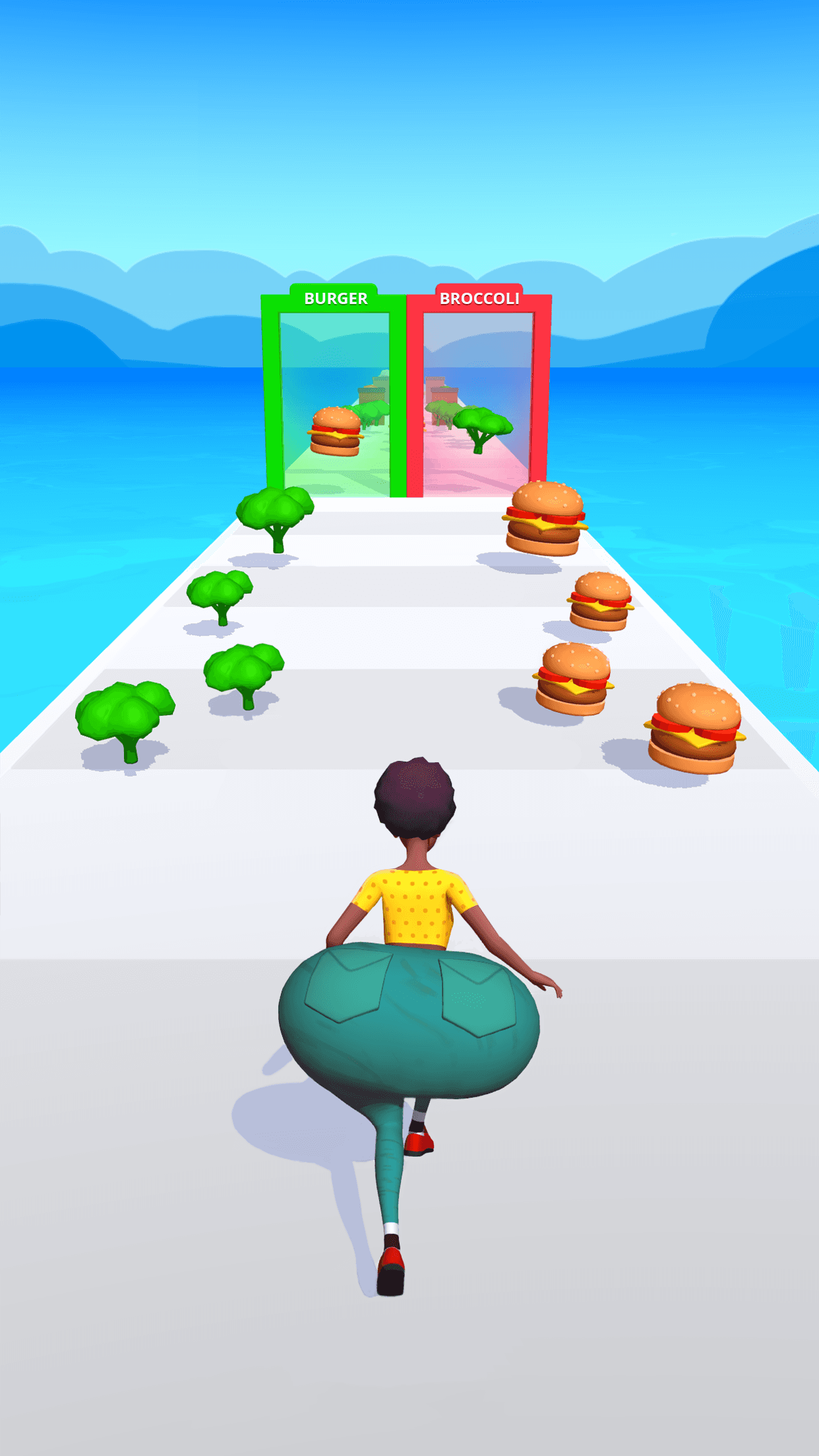
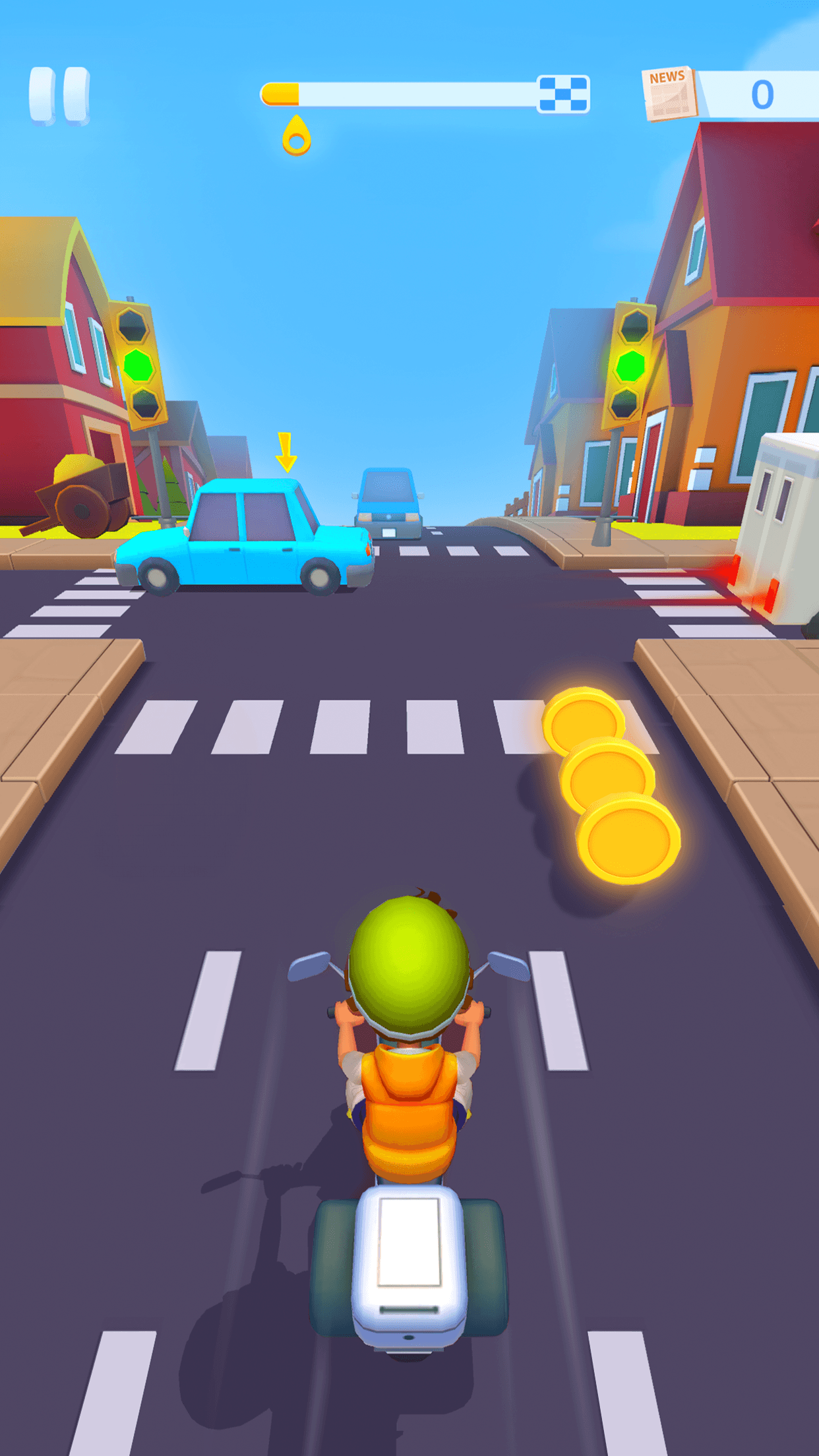
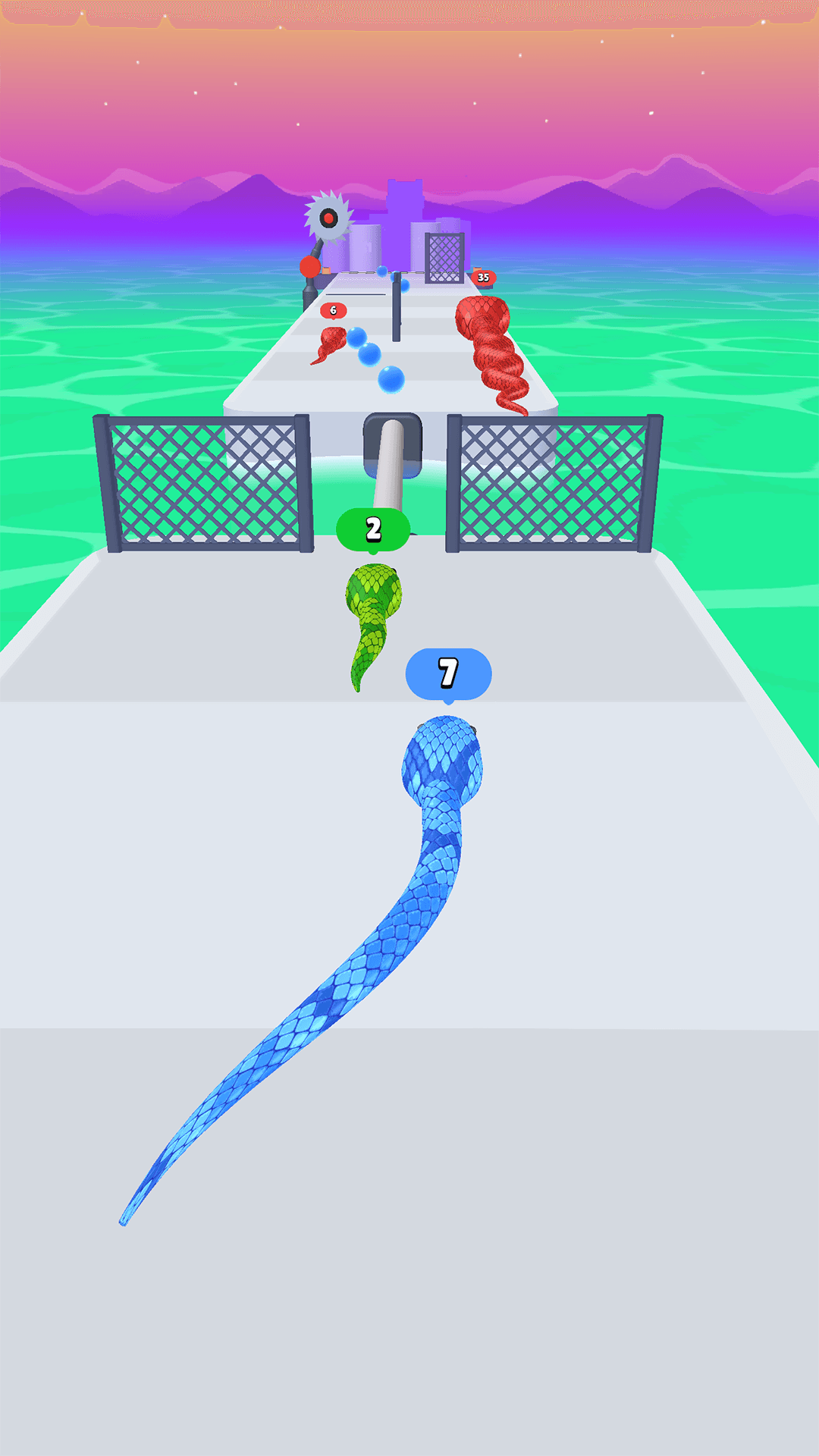
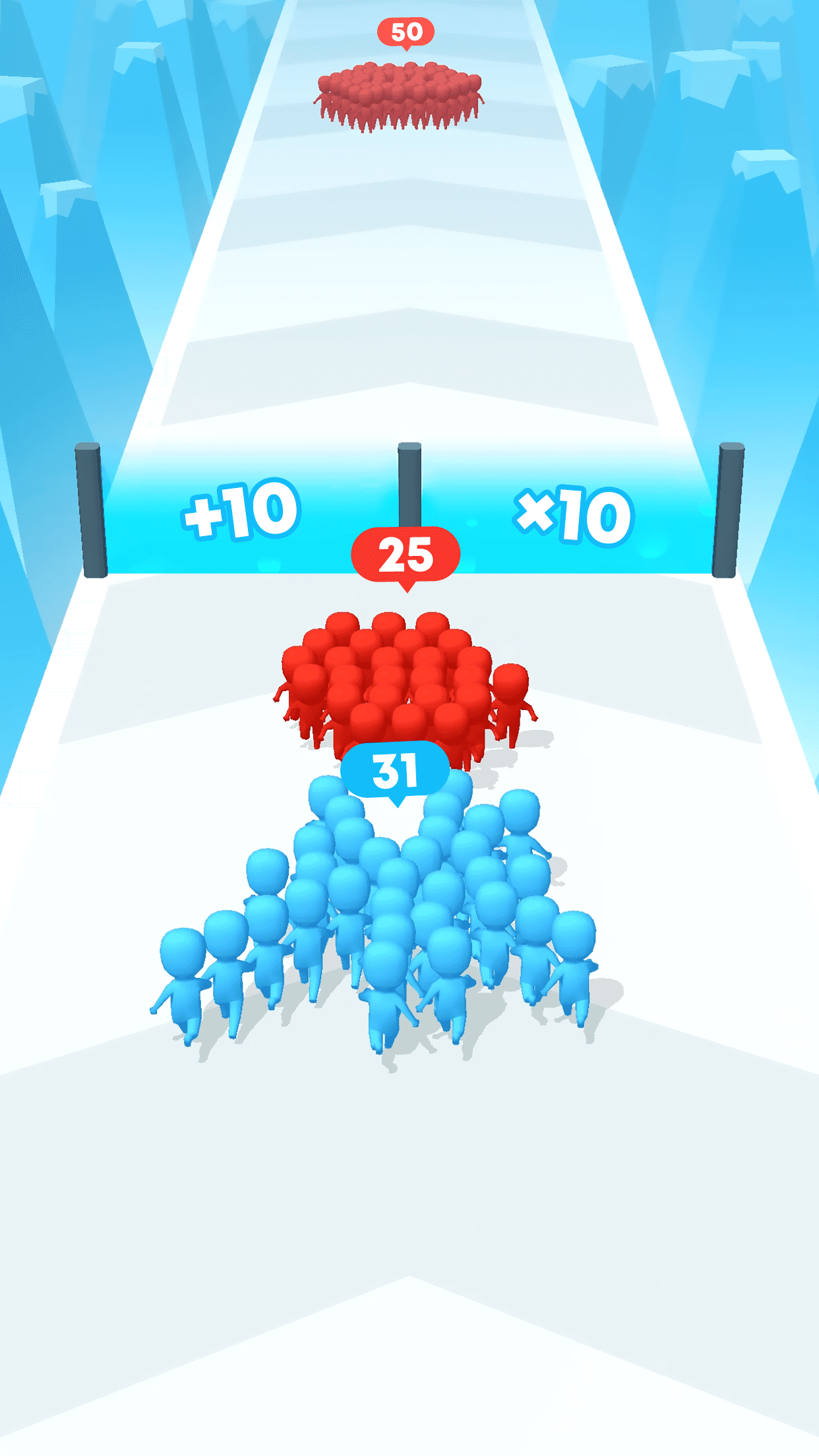
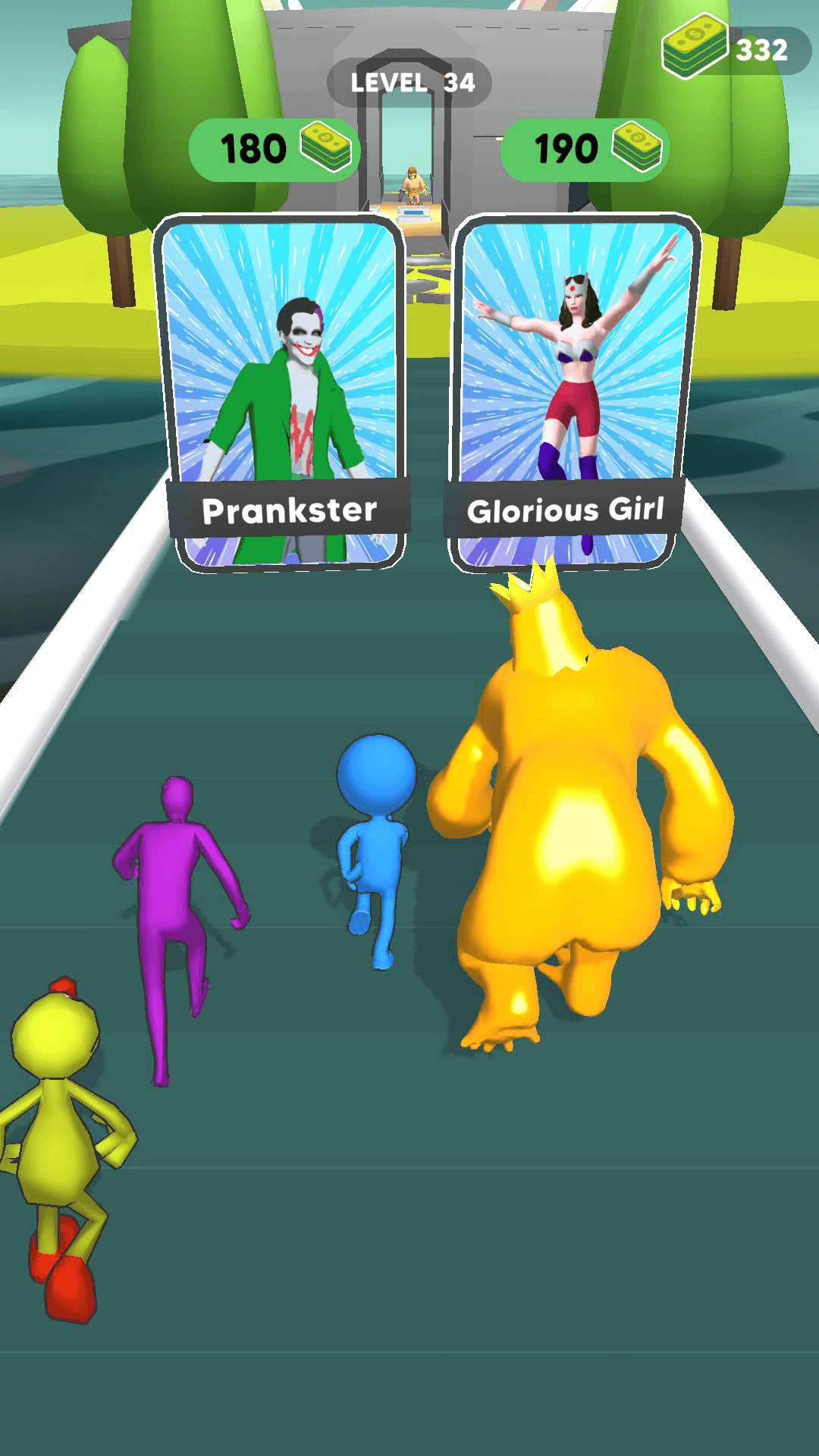
During the hackathon, references helped us quickly establish the pace, sense of motion, and familiar game patterns. That let us focus
on the mechanic instead of reinventing the format.

Game roadmap

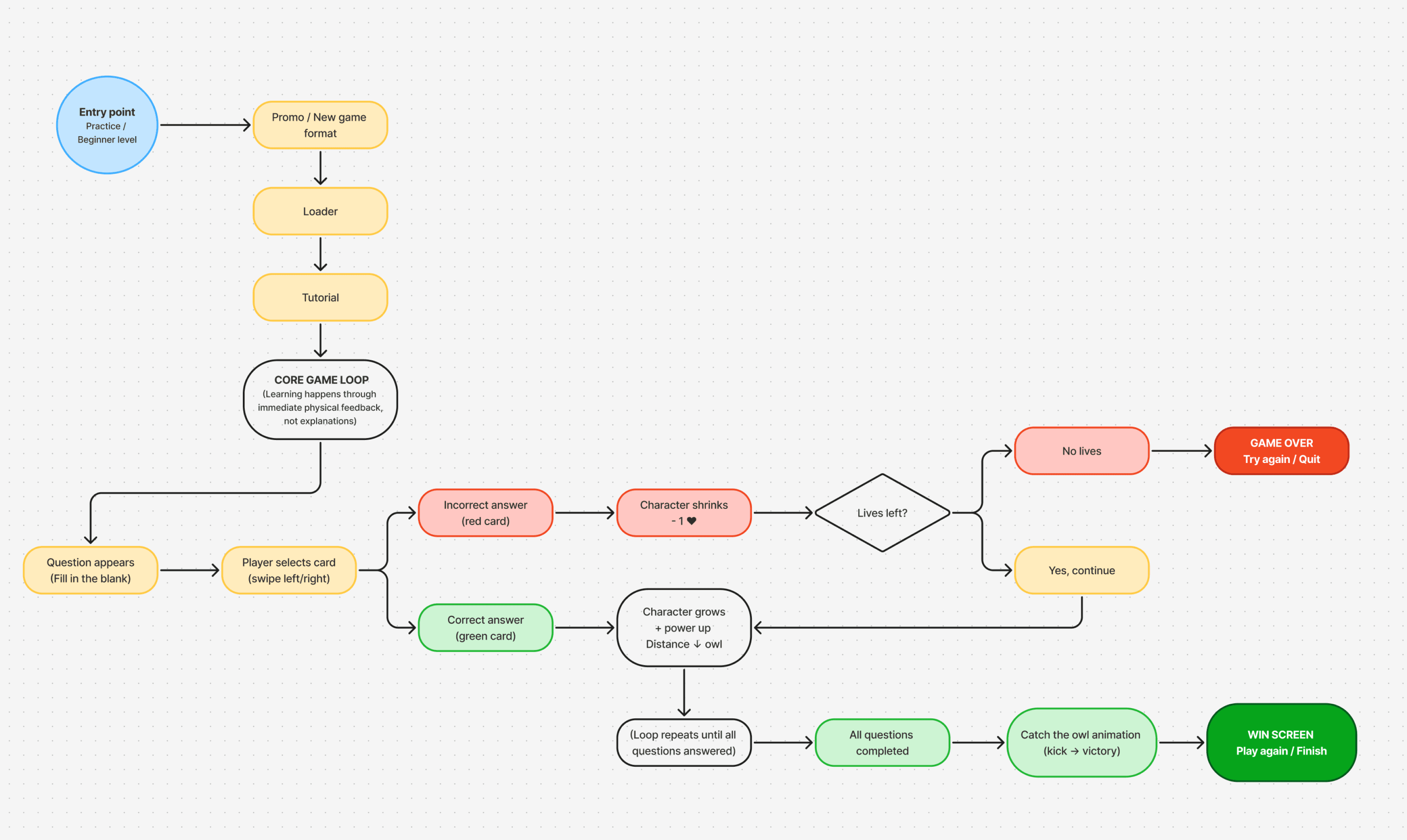
The diagram below maps a player's journey through a game session,
from entering the activity to its possible endings.

The final concept

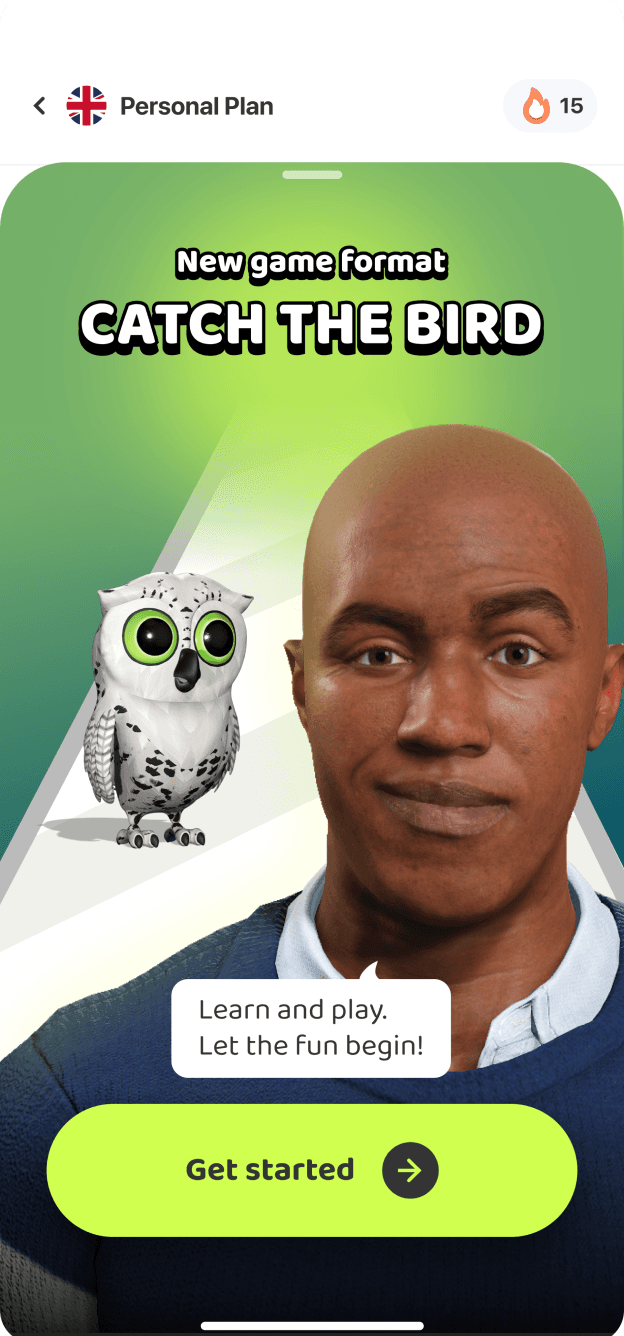
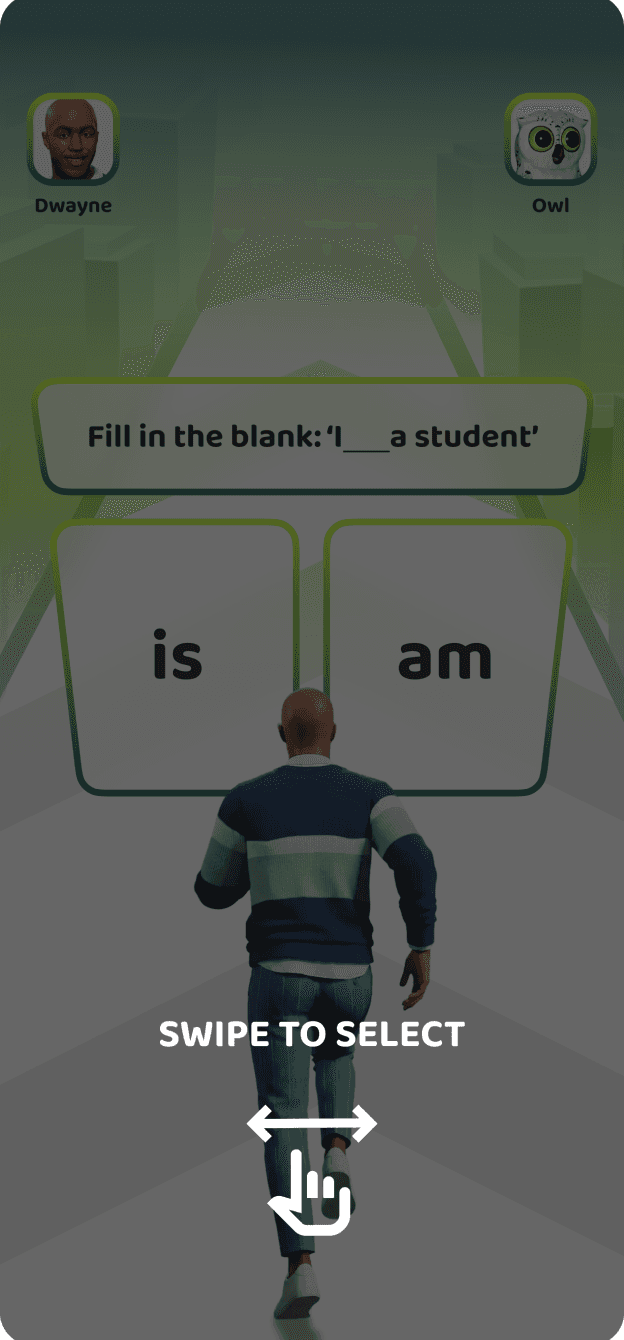
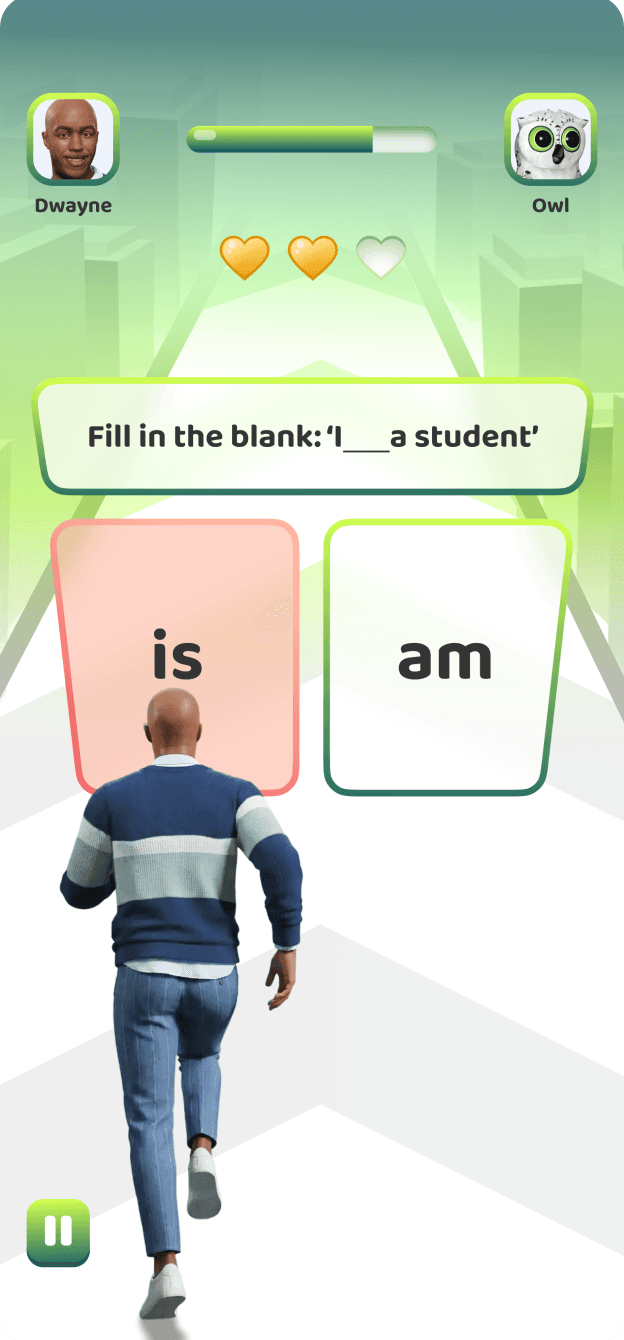
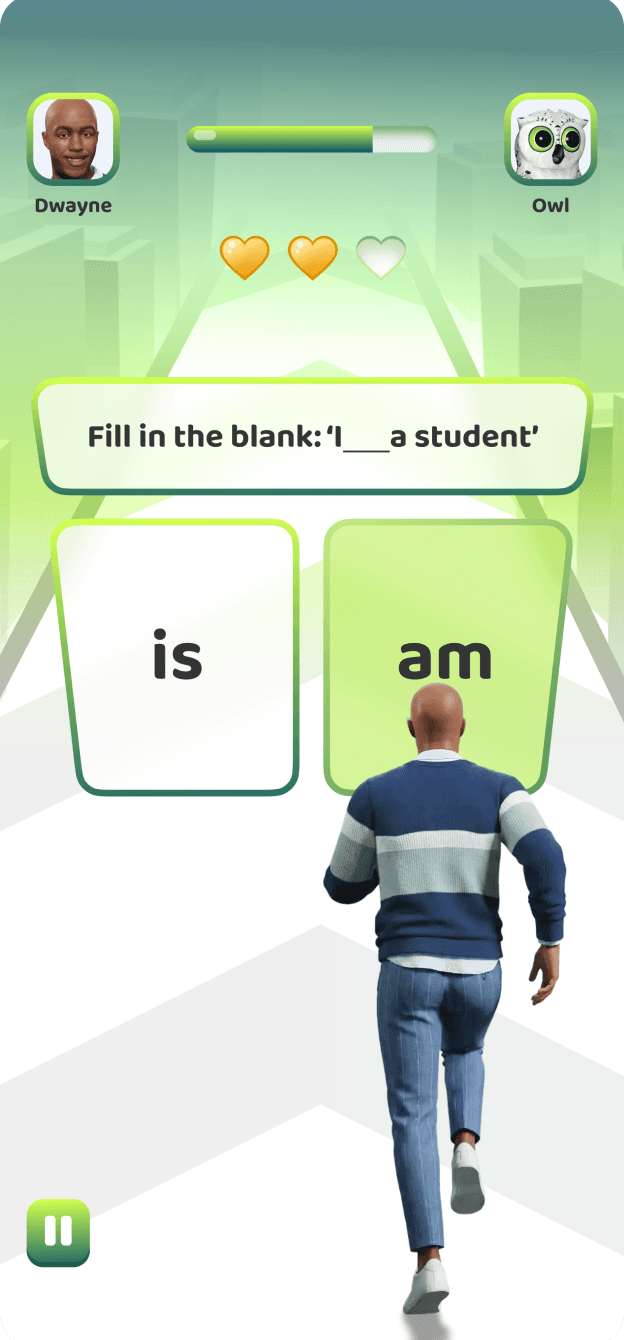
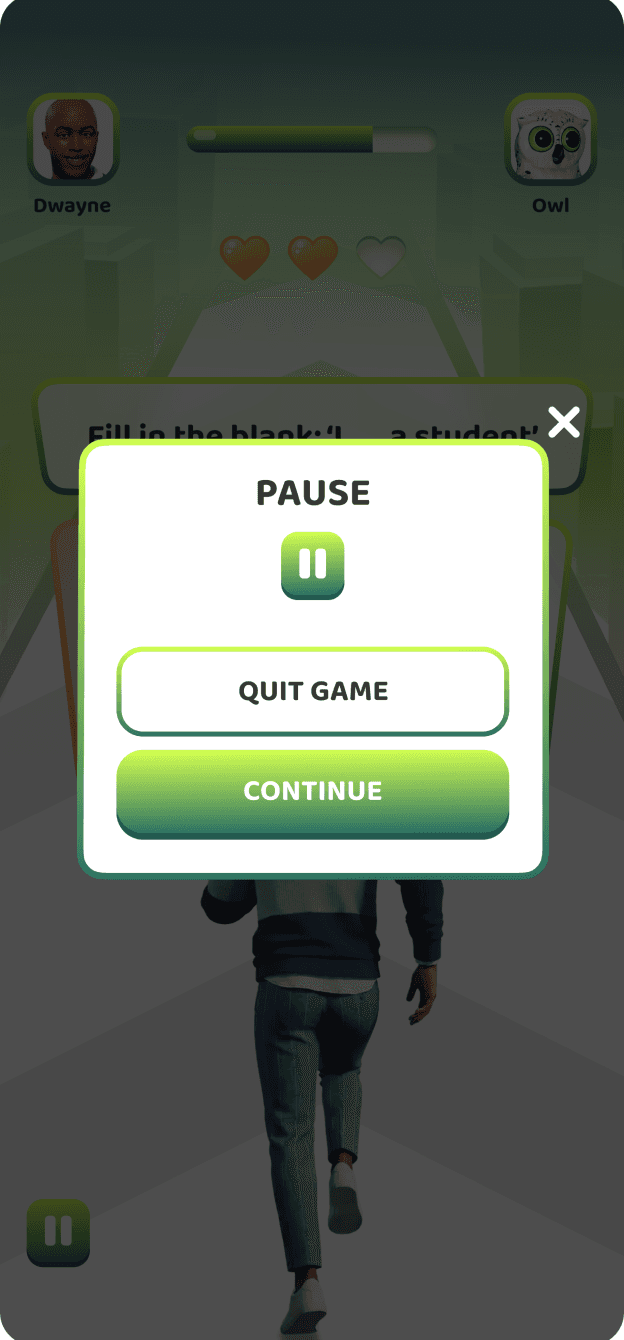
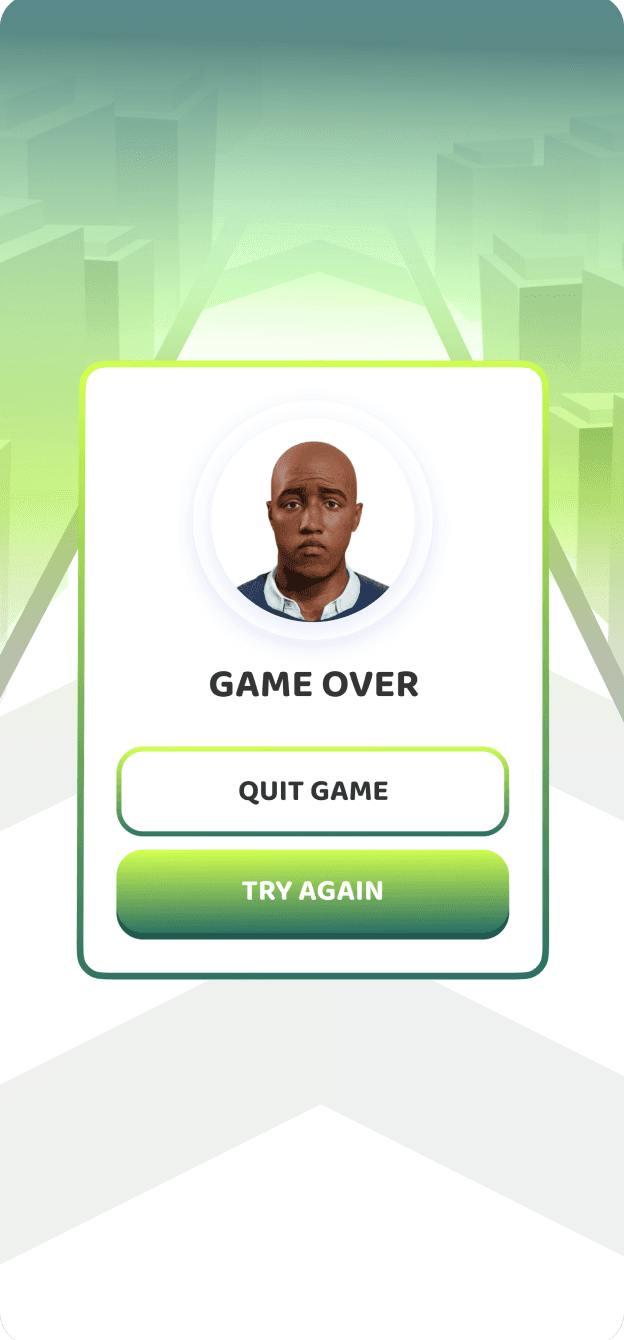
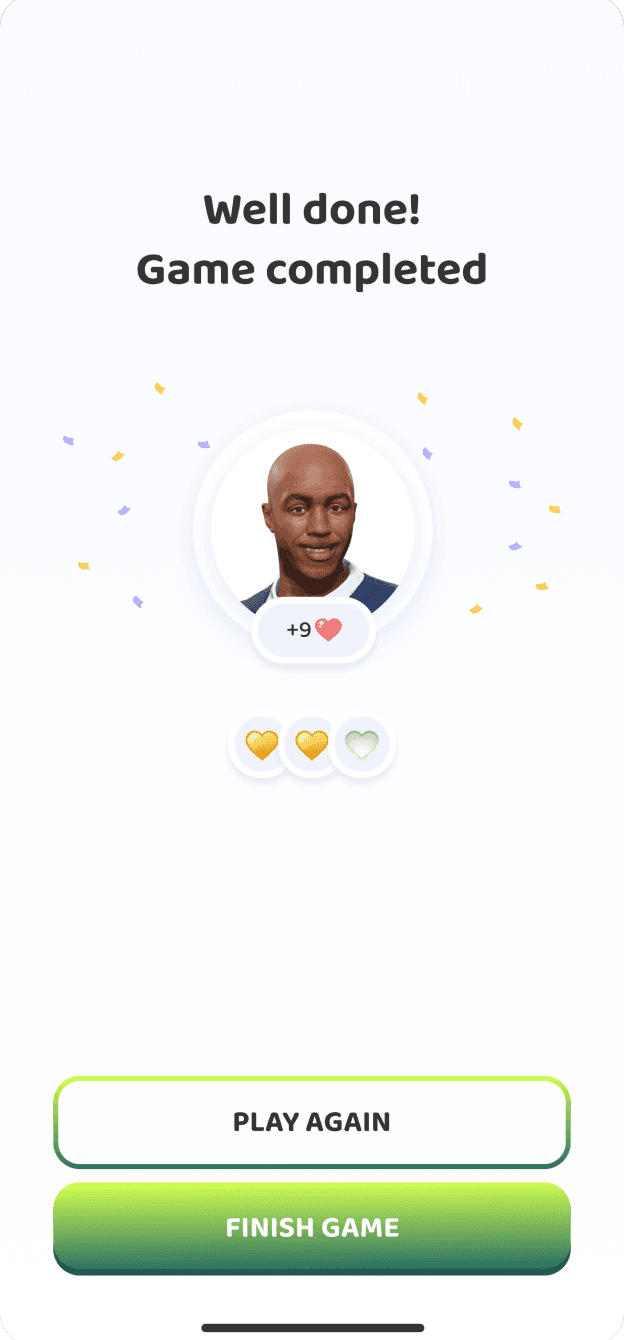
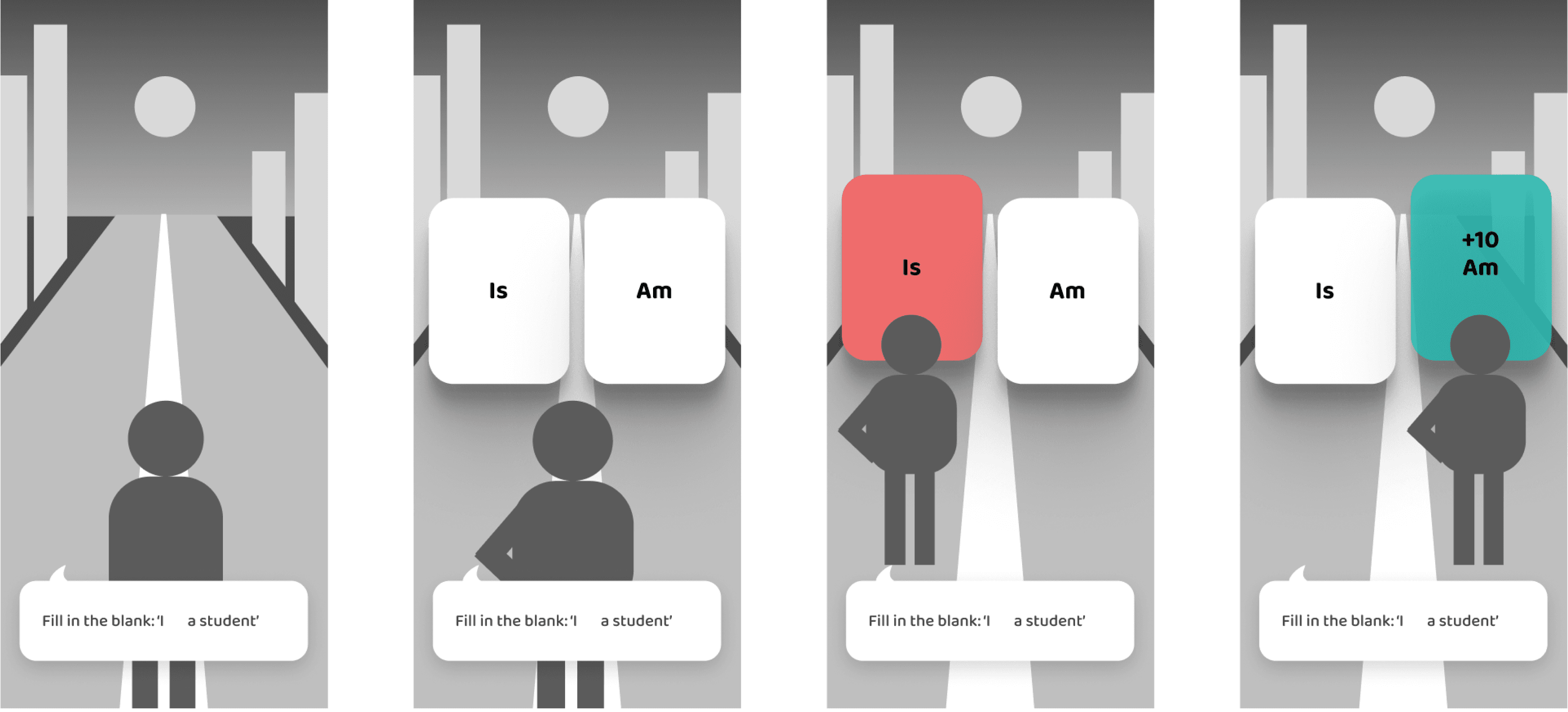
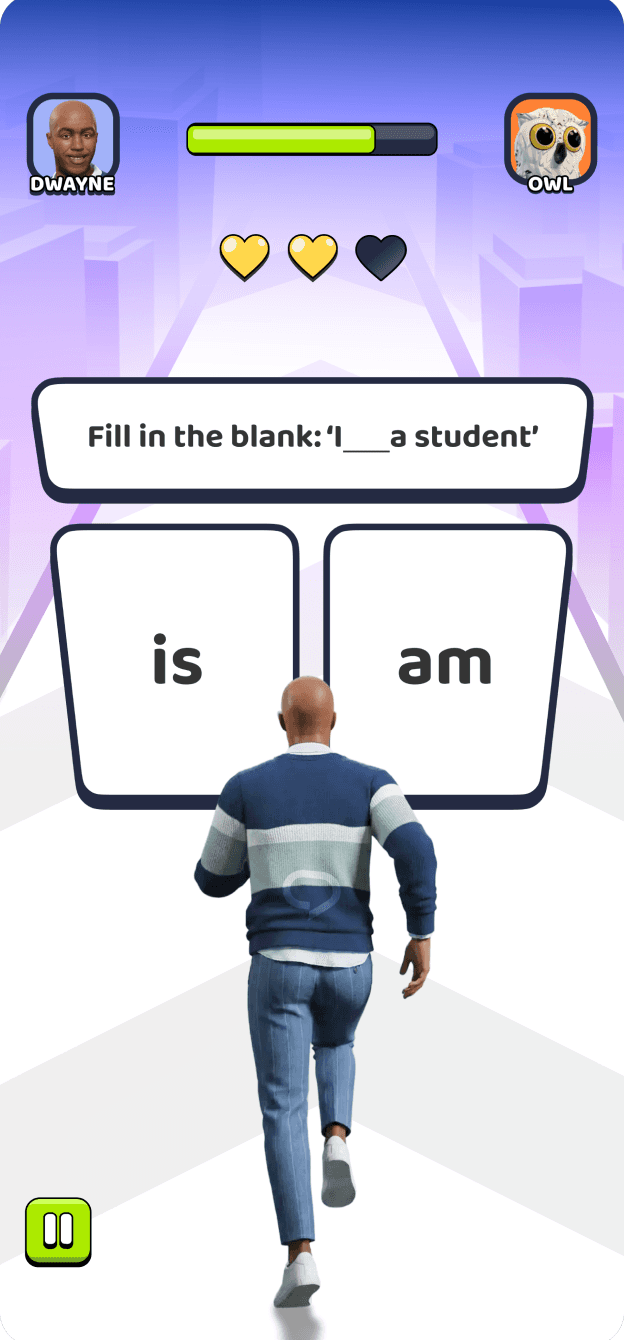
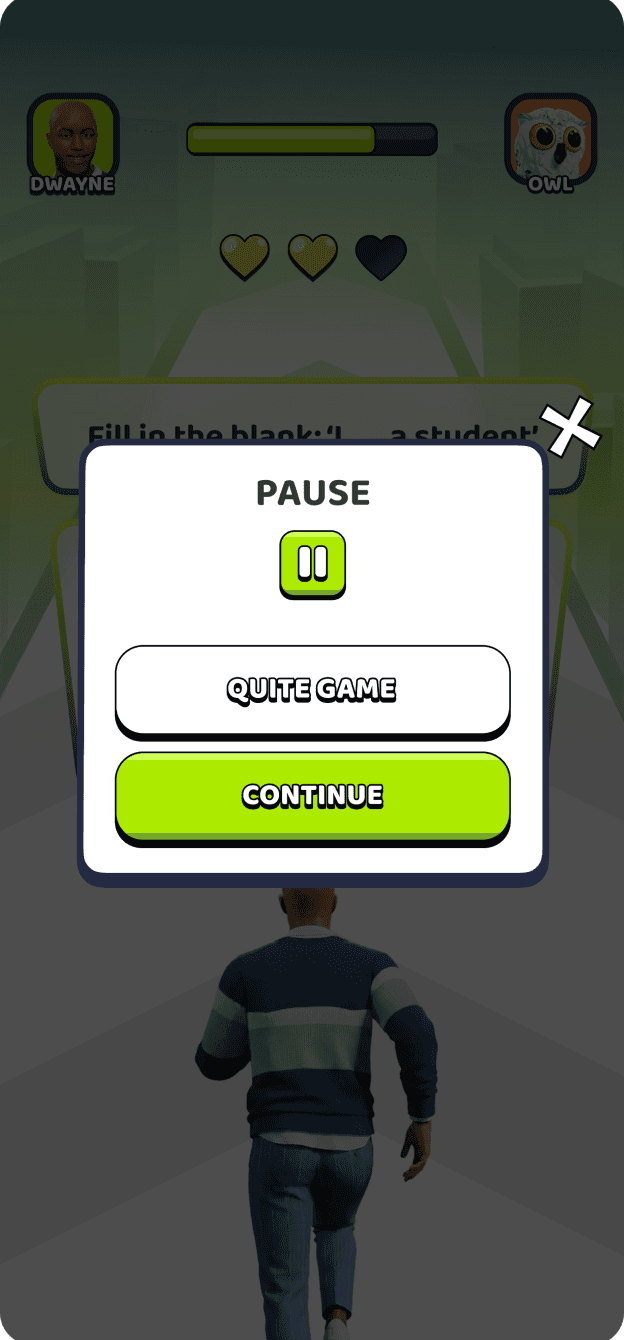
These key screens show how the session unfolds
and how the character responds to the player's choices.

Design iteration (next version)

We built the MVP under a tight deadline, and it was my first time designing a game interface. After the hackathon, I revisited the visual direction with a better understanding of game patterns and the visual language of modern runners.

Scope & execution

In just three to four hours, we built a working MVP: a Unity prototype, an entry point in the app, a reliable prompt for generating
and checking questions, plus a presentation and sound design.

Outcome

The project won first place at the hackathon. Judges recognized its cohesive game mechanic, engaging experience, and working execution
under a demanding deadline.

After the hackathon, we began refining the mechanic and integrating
it into the app.

Success metrics

• Feature Engagement Rate — greater engagement with
game-based learning.

• Repeat Usage Rate — more players returning to the game.

• Session Duration — a session length that keeps players engaged
without fatigue or early exits.

• Task Success Rate — the right balance of correct answers: approachable enough to play, challenging enough to stay interesting.

© 2025

Vladislava Burtseva — product designer

Create a free website with Framer, the website builder loved by startups, designers and agencies.

Product designer

Praktika Features

Catch the Bird

Catch the Bird — an educational endless runner featuring AI avatars

Context

We created this project during a hackathon.

Our challenge was to turn existing AI avatars into an activity that was both educational and genuinely fun.

The hackathon called for:

• A tight deadline • Fast decisions • A strong concept and game mechanic over a large feature set

The challenge

Create a beginner-friendly learning activity that hooks players immediately without feeling like a separate lesson. The goal was to keep them moving: no pause to read instructions, no switch into “study mode”—just continuous play.

We chose an endless runner because it lets learning happen inside the action.

Early explorations

I started with a simple question: why would someone keep running without achievements or external rewards? The answer was the momentum itself—the thrill of a chase and the feeling of closing in on a goal.

Correct answers make the character stronger and bring them closer to the owl; mistakes slow them down. The owl is a playful nod to edtech culture, taking the seriousness out of learning and making the finish memorable.
References & inspirations

During the hackathon, references helped us quickly establish the pace, sense of motion, and familiar game patterns. That let us focus on the mechanic instead of reinventing the format.

Game roadmap

The diagram below maps a player's journey through a game session, from entering the activity to its possible endings.
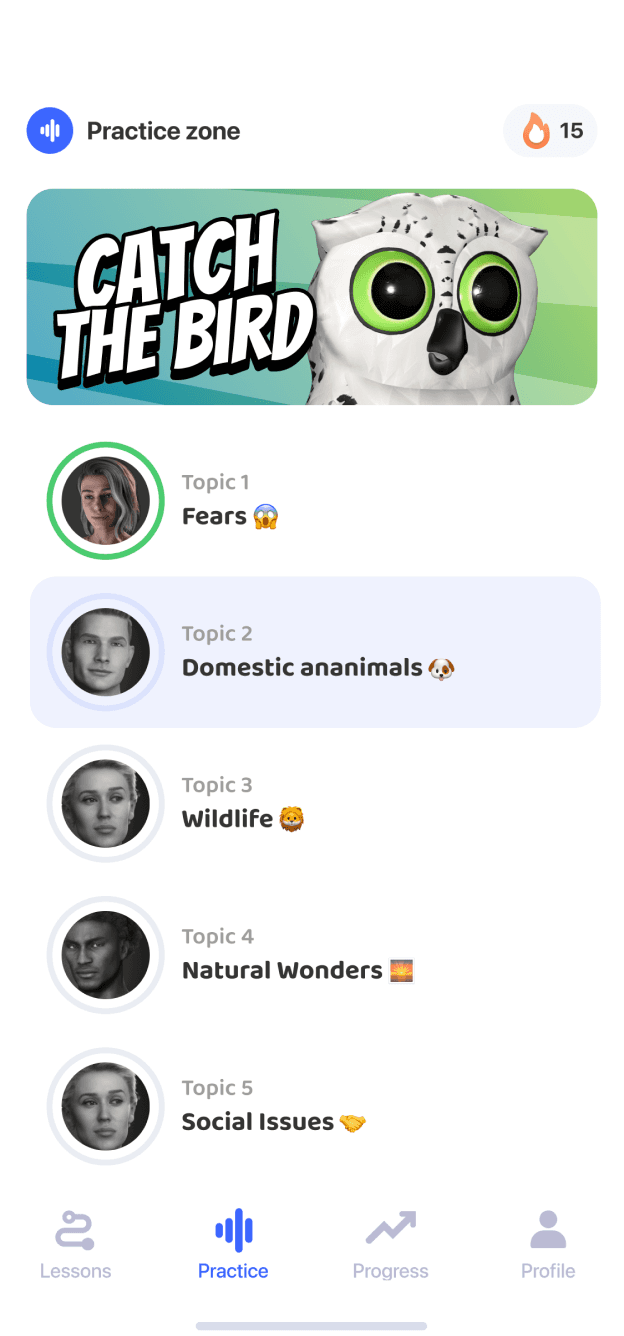
The final concept

These key screens show how the session unfolds and how the character responds to the player's choices.
Design iteration (next version)

We built the MVP under a tight deadline, and it was my first time designing a game interface. After the hackathon, I revisited the visual direction with a better understanding of game patterns and the visual language of modern runners.
Scope & execution

In just three to four hours, we built a working MVP: a Unity prototype, an entry point in the app, a reliable prompt for generating and checking questions, plus a presentation and sound design.

Outcome

The project won first place at the hackathon. Judges recognized its cohesive game mechanic, engaging experience, and working execution under a demanding deadline.

After the hackathon, we began refining the mechanic and integrating it into the app.

Success metrics

• Feature Engagement Rate — greater engagement with game-based learning.

• Repeat Usage Rate — more players returning to the game.

• Session Duration — a session length that keeps players engaged without fatigue or early exits.

• Task Success Rate — the right balance of correct answers: approachable enough to play, challenging enough to stay interesting.